TSA Rules and Carry-On Limits: What You Need to Know
Navigate TSA security with clarity. Learn carry-on size limits, the 3-1-1 liquid rule, what's prohibited, and how to pack smart for domestic and international flights.
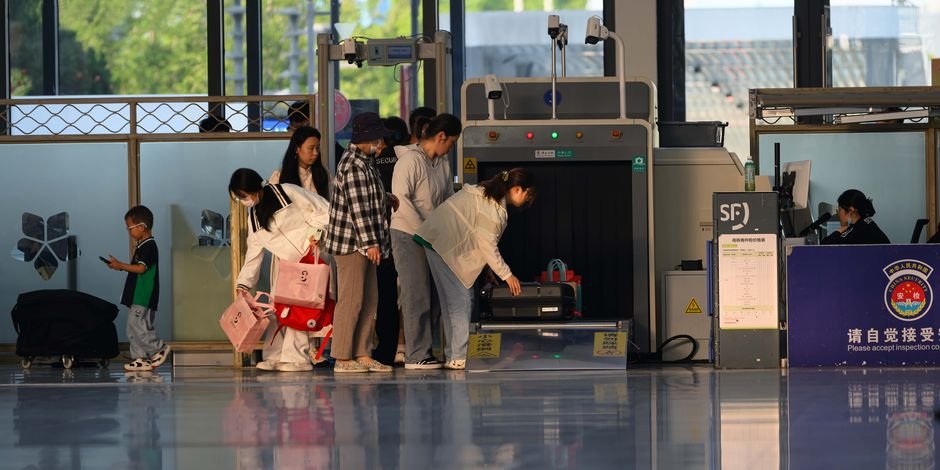
In short
- The 3-1-1 rule limits each liquid to 3.4 ounces in a single quart-sized bag, with exceptions for medications and baby items.
- Carry-on bags must fit within specific dimensions, and electronics larger than a phone need to be removed for screening unless you have TSA PreCheck.
- Prohibited items range from weapons and tools to certain batteries and chemicals, with different rules for checked versus carry-on bags.
- Arrive 2 hours early for domestic flights and 3 hours for international flights to allow time for security screening.
Why TSA Rules Matter for Your Trip
Airport security can feel like a maze of rules that change depending on where you're flying. TSA protects the nation's transportation systems, and understanding their guidelines means fewer delays, confiscated items, and stress at the checkpoint. [1] My take: a little prep work saves a lot of frustration.
The rules differ between what you can carry on and what you can check, and some items have special conditions. Knowing these distinctions before you pack helps you travel smarter and faster. Whether you're taking a quick domestic trip or heading overseas, the same core principles apply—but the details matter.
The 3-1-1 Liquid Rule Explained
The most important rule to remember is the 3-1-1 rule for carry-on bags. Each liquid container must be 3.4 ounces (100 ml) or less, and all containers must fit in one quart-sized clear resealable bag, with one bag allowed per passenger. [2] The limit focuses on the container size itself rather than how much liquid is actually inside. [3]
Many travelers don't realize that foods with a spreadable, pourable, or squeezable consistency—like yogurt, peanut butter, and hummus—fall into the liquid category and follow the same 3.4-ounce container limit. [2] In contrast, solid foods have no quantity restriction in carry-on bags. [2] This distinction matters when you're packing snacks or toiletries.
Some items get a pass on this rule. Medications, baby formula, baby food, and breast milk can exceed the standard container size but should be declared for separate screening. [2] [3] If you're traveling with these items, let the screener know upfront to speed up the process and avoid any confusion at the checkpoint.
Carry-On Size and Electronics
Your carry-on bag dimensions matter, and they're set by individual airlines rather than TSA. [1] Before packing, check your airline's specific carry-on policy to make sure your bag will fit in the overhead bin or under the seat. [3] Most airlines follow similar guidelines, but it's worth confirming to avoid gate-checking your bag at the last minute.
Electronics larger than a phone must be removed from bags for X-ray screening unless you have TSA PreCheck. [2] This includes laptops, tablets, and cameras. Power banks deserve special attention: they must travel in carry-on bags only and are prohibited in checked luggage due to fire risk. [2] Power banks up to 100 watt-hours are allowed without airline approval, while those between 100 and 160 watt-hours need airline approval and are usually limited to two per passenger. [2]
Standard alkaline batteries such as AA, AAA, C, D, and 9-volt types are permitted in both carry-on and checked bags. [2] Spare lithium batteries, however, must stay in your carry-on with terminals protected against short-circuiting to prevent accidental discharge. [2] If you're traveling with multiple batteries, keep them organized and accessible for inspection.
What You Cannot Bring
Prohibited carry-on items include firearms, ammunition, replica firearms, knives, scissors, box cutters, explosives, fireworks, gasoline, lighter fluid, aerosols, baseball bats, golf clubs, and hockey sticks. [3] If you're unsure whether something is allowed, check the TSA website or contact your airline before arriving at the airport. This is especially important if you're traveling with sporting equipment or tools.
Checked bags have a different set of restrictions that reflect fire and safety hazards. You cannot check fireworks, flares, gunpowder, aerosol cans, propane, scuba tanks, gasoline, lighter fluid, matches, bleach, fertilizers, pool chemicals, pesticides, or insecticides. [3] Lithium batteries in checked bags are allowed only under certain conditions, so verify with your airline if you're checking batteries. [3]
Checked Baggage Rules and Locking
Most airlines allow passengers to check between one and two bags, with each bag typically capped at around 50 pounds (23 kg). [3] The total size of a checked bag, measured by adding length plus width plus height, should stay around 62 inches. [3] Fees and limits vary by airline, so check your carrier's baggage policy before packing.
You can lock checked luggage, but you must use a TSA-approved lock so screeners can open it for inspection without damaging your bag. [1] This protects your belongings while allowing security to do their job. TSA-approved locks are widely available and inexpensive, making them a smart investment for frequent travelers.
Timing and Identity at Security
Plan to arrive at the airport with enough buffer time. General standards suggest 2 hours for domestic flights and 3 hours for international flights, though TSA doesn't provide official guidelines. [1] This gives you time to check in, get through security, and reach your gate without rushing. Peak travel times may require even more time, so consider arriving earlier during holidays or busy periods.
You may still be allowed to fly even without proper ID, as TSA has other ways to confirm identity. [1] If you've forgotten your ID, don't panic—speak with a TSA officer at the checkpoint about your options. TSA screeners do not have law enforcement authority, but they can call airport police if needed. [1] The key is being honest and cooperative with security staff.
Final Packing Checklist
Before you head to the airport, do a final review of your bags. Check your airline's carry-on dimensions, pack all liquids in a quart-sized bag with each container at the required limit, and remove electronics larger than a phone from your bag. Put power banks in your carry-on, not checked luggage, and protect spare lithium batteries with terminal covers.
Double-check that you're not bringing prohibited items, and if you're traveling with medications, baby formula, or breast milk, have them ready to declare. Arrive with the recommended time buffer, and you'll move through security smoothly and make your flight with time to spare. A few minutes of planning now prevents headaches at the checkpoint.